


A stay abroad often looks like pure adventure on social media.
The reality is richer – and more honest. In addition to all the unforgettable moments, there are sides to life abroad that hardly anyone talks about: loneliness, illness, homesickness, insecurity.
In this article, we share six things you should know before you leave – so you're better prepared than most.
By definition, loneliness is not the absence of people, but the discrepancy between the social connections you want and those you actually have. You can be surrounded by people and still feel lonely. And you can be alone and feel perfectly comfortable. Loneliness is not a physical state – it is an emotional feeling.
If you travel a lot, you will probably make many new acquaintances. However, deep friendships rarely develop, especially if you change locations frequently. Family and old friends are far away and can only be reached by video call. That's better than nothing, but it can hardly replace real meetings. Time differences make it even more difficult to stay in touch. Homesickness can intensify an already existing feeling of loneliness.
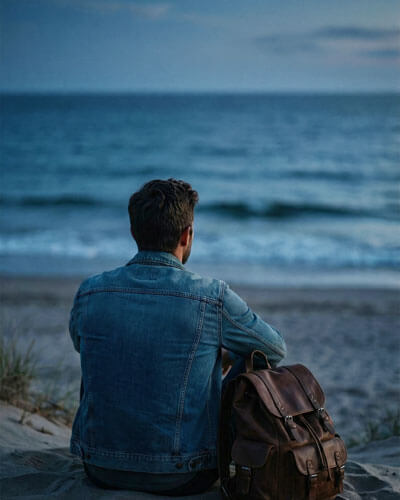
What can you do about it?
An important first step is to recognise and accept the feeling of loneliness. Stay in one place for longer – frequent changes of location make it difficult to form genuine connections. Take part in group activities, whether it's volunteering, sports classes or guided city tours – this will make it much easier to find like-minded people. Use platforms such as Couchsurfing to stay with locals and gain insights into local life. And if you start to miss your family and friends too much, just fly home for a short visit. With the right international health insurance, such visits home are covered – for up to six weeks per insurance year.
Loneliness can affect anyone.
Many lonely people feel that they are alone in this. That's not true. Anyone can feel lonely at times – when travelling or at home. Social media often exacerbates this feeling because it almost exclusively shows the sunny side of travelling. Don't be ashamed if you feel lonely. Accept your feelings and do what is good for you at that moment – even if that means seeking outside help.

We've all heard horror stories about getting sick while travelling – gastrointestinal problems being the most common. When you first arrive in a new country, you're excited to try the local cuisine and unfamiliar spices. Your digestive tract, however, is less enthusiastic. The result: you spend your first week in bed instead of out and about.
Even those who rarely get sick at home are not immune to this when travelling. The body has to get used to new living conditions, unfamiliar food and a completely different rhythm. This takes energy – and makes it more susceptible.
Sometimes illness cannot be prevented
To be honest, you can be careful and protect yourself as best you can, but you cannot completely control whether you get sick. Simple measures such as plenty of rest, sufficient fluids and light meals often help. In many countries, medication for gastrointestinal complaints is available over the counter. If the symptoms persist, become more severe or are accompanied by fever and circulatory problems, you should not hesitate to seek medical help. This applies to all illnesses: take warning signs seriously and react early
In an emergency, you need good travel insurance
Ultimately, it usually doesn't matter what the exact reason for your illness is. What's much more important is that you have reliable international health insurance to back you up. Doctor's visits, medication or hospital stays can vary greatly in cost depending on your destination – the USA and Canada are known for their particularly high medical costs. You should never have to ask yourself the question: ‘Should I go to the doctor, or is it too expensive?’
With Protrip World Traveller, you are covered for acute illnesses and emergencies – inpatient, outpatient and including medication. The Air Doctor app is also included, giving you quick and easy access to qualified medical care worldwide: certified doctors, flexible appointment booking, multilingual service and, for selected treatments, direct billing without prepayment.
Of course, there are also things you can do yourself to reduce the risk: eat smaller portions in the first few days, slowly introduce spicy or fatty foods, and drink only bottled or boiled water, depending on your destination. Washing your hands regularly also helps. Ultimately, however, getting sick while travelling is sometimes just part of the experience. With the right preparation, you can significantly reduce the stress involved.
When you travel abroad, you not only encounter new cultures and cuisines – you may also encounter a completely different medical reality. There are enormous differences in the quality, accessibility and organisation of healthcare around the world. These can be crucial to your experience in the event of illness.
In some countries, medical care is at a similar or even higher level than in the UK – Taiwan, South Korea and Australia are examples of this. However, this often only applies to cities. Even in Australia, it can take a long time to be rescued from the deserted outback.
In other regions of the world, healthcare systems are significantly less developed. Many countries in Africa, Asia, Central and South America – such as Sudan, Ghana, Nepal and Honduras – lack personnel and comprehensive infrastructure. Even basic care can be more difficult to access than you are used to.

Why this is important for travellers
Where and how you receive treatment in an emergency determines how quickly and effectively you recover – and how high the costs will ultimately be. Precisely because the quality of healthcare varies so greatly around the world, reliable international health insurance is an absolute must. A good policy covers you for everything from doctor's visits and medication to inpatient treatment and, if necessary, medically necessary repatriation home.
Good preparation is part of this
Before you leave, find out about the medical infrastructure at your destination: where are the hospitals or medical centres? Are there language barriers or special entry requirements such as compulsory vaccinations? A well-stocked first-aid kit and important documents – vaccination certificate, proof of insurance, emergency contacts – can be crucial in an emergency.

Travelling means freedom, adventure and new experiences – but it also means uncertainty. New countries, foreign languages, unfamiliar situations. That's precisely why many people underestimate how important it is to have a reliable safety net in the background.
At home, you usually know what to do in an emergency. You know the emergency numbers, you have health insurance, you speak the language. Abroad, it's often completely different. If you're not prepared for emergencies, you can quickly find yourself thrown off track in a serious situation – and that's when you're already stressed.
Emergencies happen – everywhere
No one travels with the expectation of getting sick. Nevertheless, it can happen to you at any time: a sudden infection, a fall, severe pain. In such moments, you don't want to have to worry about costs, organisation or language barriers, but rather concentrate on getting well again.
Knowing that doctor's visits, medication and a possible hospital stay are covered changes how you make decisions – in the interests of your health, not out of financial fear. Because good international health insurance is more than just a policy. It is mental relief. You travel more relaxed, sleep more peacefully and can concentrate on what really matters: new experiences, encounters and adventures.
Coverage is not a nice-to-have. Those who are prepared can let go. And that's what makes a good trip.
A stay abroad is often considered the epitome of freedom. New cultures, foreign languages, exciting experiences. But what many only realise once they are there: culture shock, loneliness or simply everyday life in a foreign environment can make you want to go home sooner than expected.
According to the Duden dictionary, homesickness means ‘a great longing for one's distant home or a loved one living there’. You miss familiar everyday structures. You don't know your way around, you may not speak the language well enough. And as a solo traveller, you have no one there with whom you can really talk.
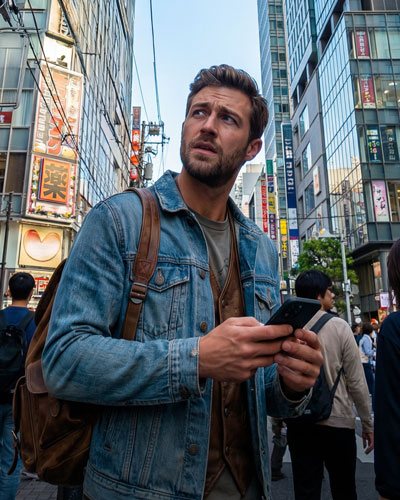
Sometimes you need a holiday from your travels.
The following year, I actually used it. My mum was turning 60, and we'd both quietly accepted that I was probably going to miss it. Then I realized the trip home was covered, so I decided to surprise her. I booked a flight and showed up unannounced.
And honestly, I needed the break too. I'd been missing home more than I wanted to admit – the familiar rhythms, old friends, my own language everywhere around me. But I wasn't ready to end the trip completely. Those three weeks were exactly the reset I needed. My mum was over the moon, and I came back to the road feeling genuinely recharged.
Knowing I can do that again any time – fly home for a breather without canceling everything – makes the longer stretches away feel much more manageable.

When you go abroad for an extended period of time, you often experience for the first time how freely you can really make decisions. You decide where you travel, how you organise your everyday life, and which opportunities you seize. For many, this independence is one of the main reasons for leaving home in the first place.
At the same time, this freedom also shifts responsibility. What is often taken care of by familiar structures at home is more in your own hands abroad. You have to find out for yourself what rules apply, what medical care is available and how you are covered in an emergency. If you ignore this, you risk turning what should be a positive experience into a stressful situation.
Fast, simple, fully online
The sign-up process took just a few minutes. All my documents arrived by email, and I was covered from the confirmed start date. One important thing to know: if you apply while already abroad, a 14-day waiting period applies for illness-related claims. This is waived for accidents and situations where emergency medical care is needed to prevent immediate risk to life. For everything else, you're fully covered after two weeks – which feels fair.
The flexibility has made a real difference to how I travel: monthly payments, day-accurate cancellation, and no need to go home first to sort it out. So if you're already out there and still haven't got proper coverage – it's simpler than you think.