


This article presents the five best destinations in Vietnam for long-term travelers, backpackers, and digital nomads. You'll discover where culture, nature, and everyday life can be experienced most intensely – including insurance coverage for extended trips.
Key Facts at a Glance
- Vietnam is ideal for long-term travel thanks to its low cost of living and good infrastructure
- Hanoi and Ho Chi Minh City offer deep insights into both history and modern life
- Hoi An is especially suitable for quiet travel phases and extended stays
- Sapa is Vietnam’s most important trekking region
- Mui Ne combines beaches, water sports, and a long-term travel lifestyle
- Medical services in Vietnam often require advance payment
- Long-term international health insurance is essential outside the EU
- Depending on the plan, insurance policies must be purchased before or after the start of the trip
- Why is Vietnam ideal for a long-term trip?
- Why is Hanoi a must for history enthusiasts?
- What makes Ho Chi Minh City a long-term hub?
- Why is Hoi An considered Vietnam’s most peaceful destination?
- Why is Sapa perfect for active long-term travelers?
- What makes Mui Ne special for longer stays?
- Why is international health insurance necessary in Vietnam?
- Which insurance suits which travel situation?
Why is Vietnam ideal for a long-term trip?
Vietnam is especially well suited for long-term travel because the country combines low living costs, a stable tourism infrastructure, and a high degree of regional diversity. Travelers can experience completely different climate zones, cultures, and landscapes within just a few weeks. A single country offers major cities, beaches, mountain regions, and historical centers. This makes long-term travel planning easier without constantly changing countries. In addition, Vietnam is well established among backpackers, digital nomads, and work-and-travel travelers, which simplifies accommodation, transportation, and access to communities.
Why is Hanoi a must-visit for history enthusiasts?
Hanoi is the cultural and historical center of Northern Vietnam. The city offers a particularly vivid insight into Vietnamese history through its museums, monuments, and preserved old quarters. The Ho Chi Minh Mausoleum and the Imperial Citadel of Thang Long are considered key symbols of national identity. At the same time, daily life in the Old Quarter reflects the modern rhythm of the city. Hanoi is especially well suited for long-term travelers who want not only to see Vietnam, but to truly understand it.
Why is Ho Chi Minh City a hub for long-term travelers?
Ho Chi Minh City is the economic center of Vietnam and an important destination for long-term travelers. The city offers modern work opportunities, international cafés, co-working spaces, and a wide range of housing options. At the same time, the history of the Vietnam War is present everywhere. This combination makes Saigon a popular base for digital nomads and work-and-travel travelers who want to combine urban living with cultural depth.

Why is Sapa perfect for active long-term travelers?
Sapa is Vietnam’s main trekking region and offers access to highland areas inhabited by traditional mountain communities. Guided multi-day tours provide immersive experiences in both nature and local culture. The rice terraces surrounding Sapa are among the most iconic landscapes in Southeast Asia. For long-term travelers focused on activity, nature, and cultural encounters, Sapa is an essential part of any Vietnam itinerary.
Why is Mui Ne special for longer stays?
Mui Ne combines beaches, water sports, and a relaxed everyday atmosphere. The town is especially popular with kitesurfers and surfers and offers long-term accommodation at moderate prices. The sand dunes create a unique landscape unlike anywhere else in Vietnam. Mui Ne is ideal for travelers who want to stay in one place for several weeks without giving up variety and experiences.
Why is Hoi An considered Vietnam’s most peaceful travel destination?
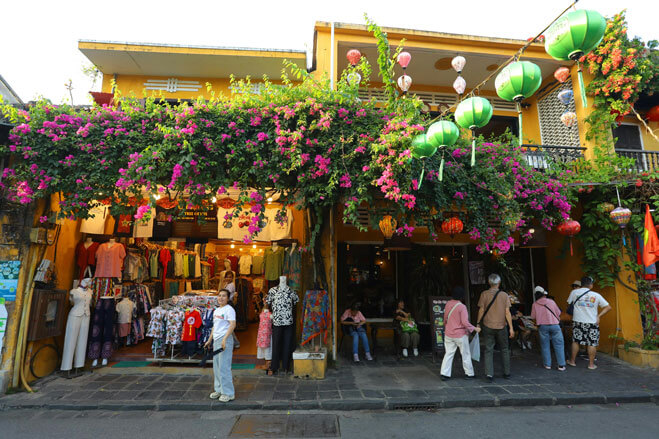
Hoi An is especially well suited for longer, slower-paced stays. Its car-free old town, short distances, and compact layout create a high quality of life. Hoi An is ideal as a restorative stop within a longer journey. The town offers enough infrastructure without feeling overwhelming. Many long-term travelers stay for several weeks to consciously slow down their pace.

Knowledge box: Long-term travel in Vietnam
A long-term trip refers to stays lasting from several months to several years outside one’s home country.
Distinction: This is not a classic holiday with a fixed return date.
Rule: The longer the stay, the more important planning, insurance, and flexibility become.
Why is travel health insurance necessary in Vietnam?
In Vietnam, medical services for foreigners are generally paid privately. Without insurance, treatments, surgeries, and hospital stays must be paid upfront immediately. The statutory health insurance from Germany does not provide coverage outside the EU. For long-term travelers, travel health insurance is therefore not an option, but a requirement.
Which insurance fits which travel situation?
The Protrip German Traveler is designed for people with residence in Germany and must be taken out before departure. It provides worldwide coverage for up to five years.
The Protrip World Traveler can also be purchased after the trip has already started and is suitable for travelers who are already abroad. Both plans cover outpatient and inpatient treatments as well as medically necessary repatriation without any coverage limit.
FAQ – Frequently asked questions about Vietnam & long-term travel
How long can I stay in Vietnam?
The length of stay depends on the visa and varies depending on visa type and nationality.
Is Vietnam safe for long-term travelers?
Vietnam is considered a safe travel destination, as long as basic precautions are taken.
Can I work in Vietnam?
Working is only allowed with the appropriate permit. Remote work is often tolerated, but is not clearly regulated legally.
Key takeaways
- Vietnam is one of the most diverse countries for long-term travel
- Each region offers clear value for extended stays
- Medical care requires private insurance coverage
- The right insurance depends on the timing of your trip
- Good preparation significantly increases safety and flexibility
Our tip for reliable coverage while traveling: Protrip World Traveler